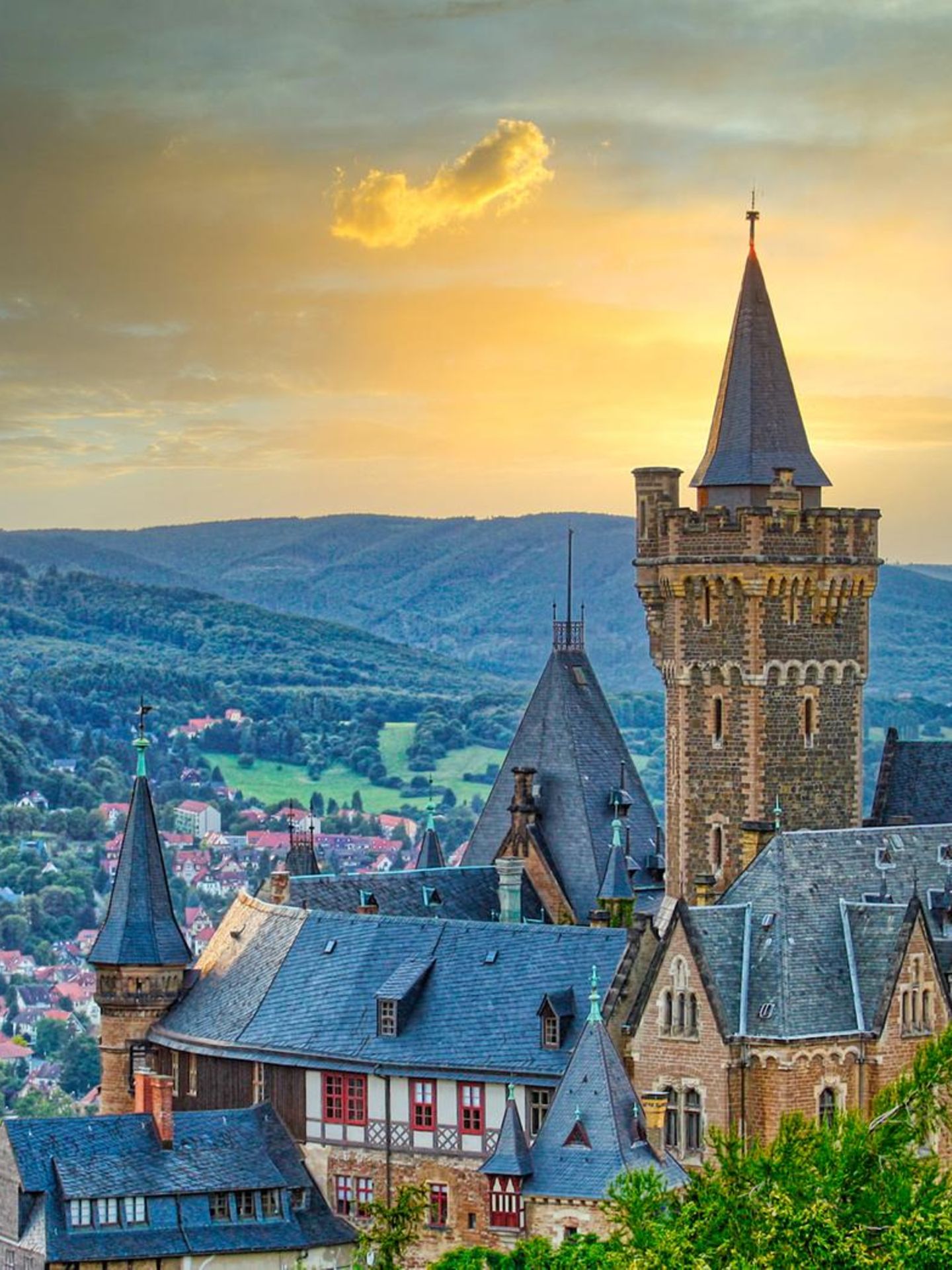
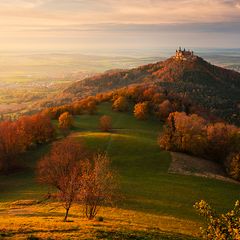
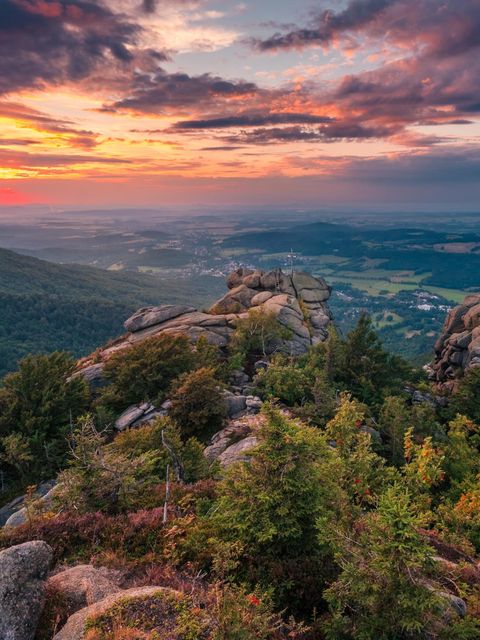
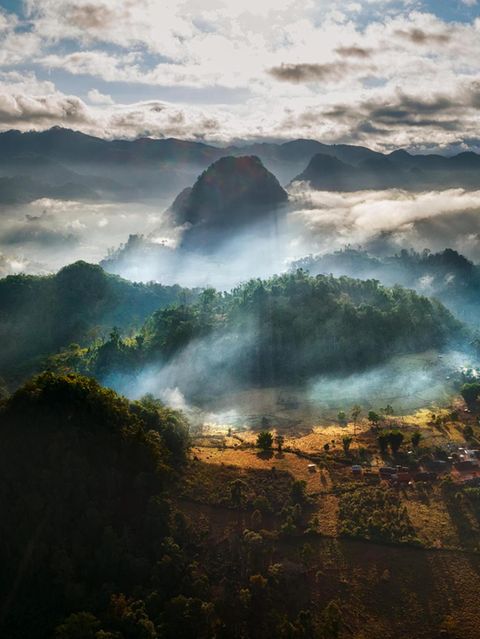
Zwischen Bergbau, Fachwerk und Hexentanz entfaltet sich im Harz eine sagenhafte Magie, die weit über den berühmten Brocken hinausgeht. Eine Entdeckungsreise im Herzen Deutschlands
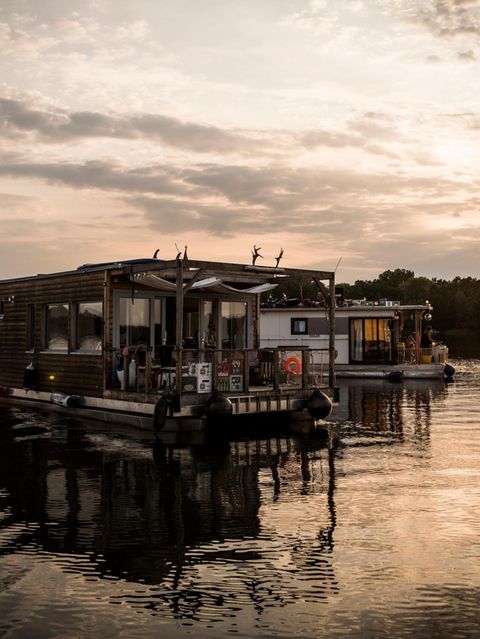
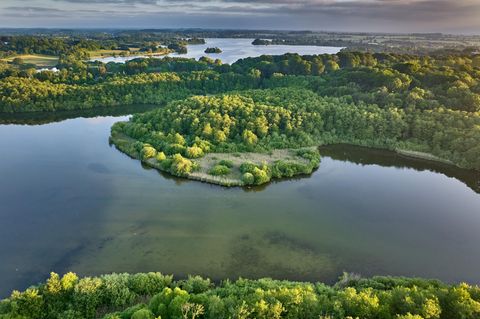
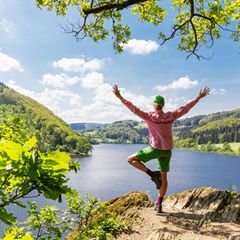
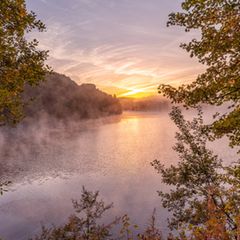
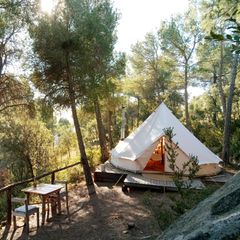
Manchmal reicht ein Wochenende: Zelten am Waldrand, Stockbrot über dem Lagerfeuer, Frühstück am Seeufer – diese Plätze vor den Toren Berlins sind kleine Paradiese für Naturfans
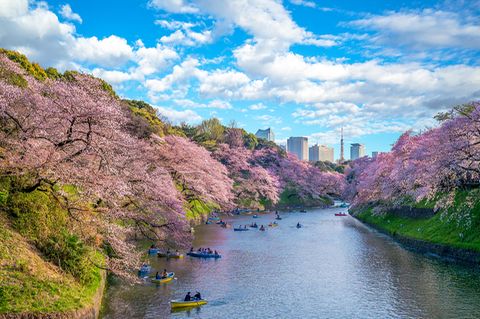
Im April öffnen die Kirschbäume hierzulande ihre Knospen. In Japan wird die Sakura mit einer Blütenschau, gefeiert. Doch auch vor der Haustür lässt sich das Fernweh stillen
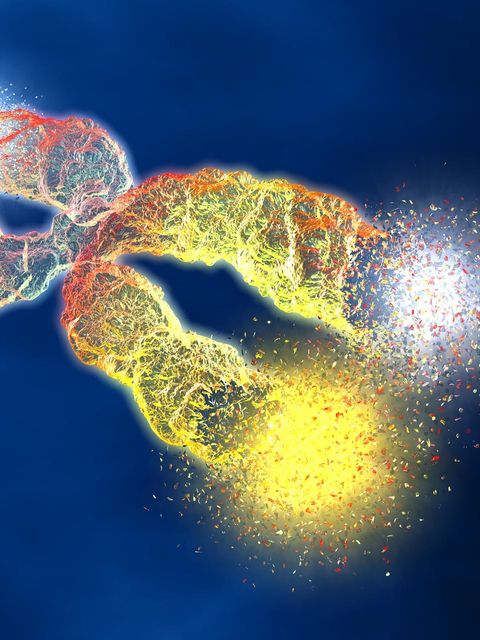
Seit etwa 30 Jahren gibt es für Reisende ein effizientes Mittel gegen Malaria: Prophylaxe in Form von Pillen. Ein Forschungsteam aus Tübingen möchte zeigen, dass wir viel weniger davon brauchen als angenommen
Hitze, Schlamm, Überwindung – Wiebke Lühmann fuhr mit dem Fahrrad allein von Freiburg nach Kapstadt. Ihre Einsicht: Die größte Herausforderung ist die eigene Angst
Ratgeber, Reise-News, praktische Tipps für unterwegs und Inspiration für den nächsten Urlaub: Mit unserem Reise-Newsletter sind Sie bestens vorbereitet
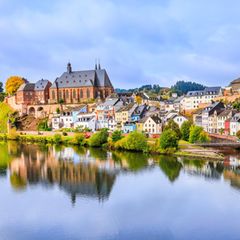
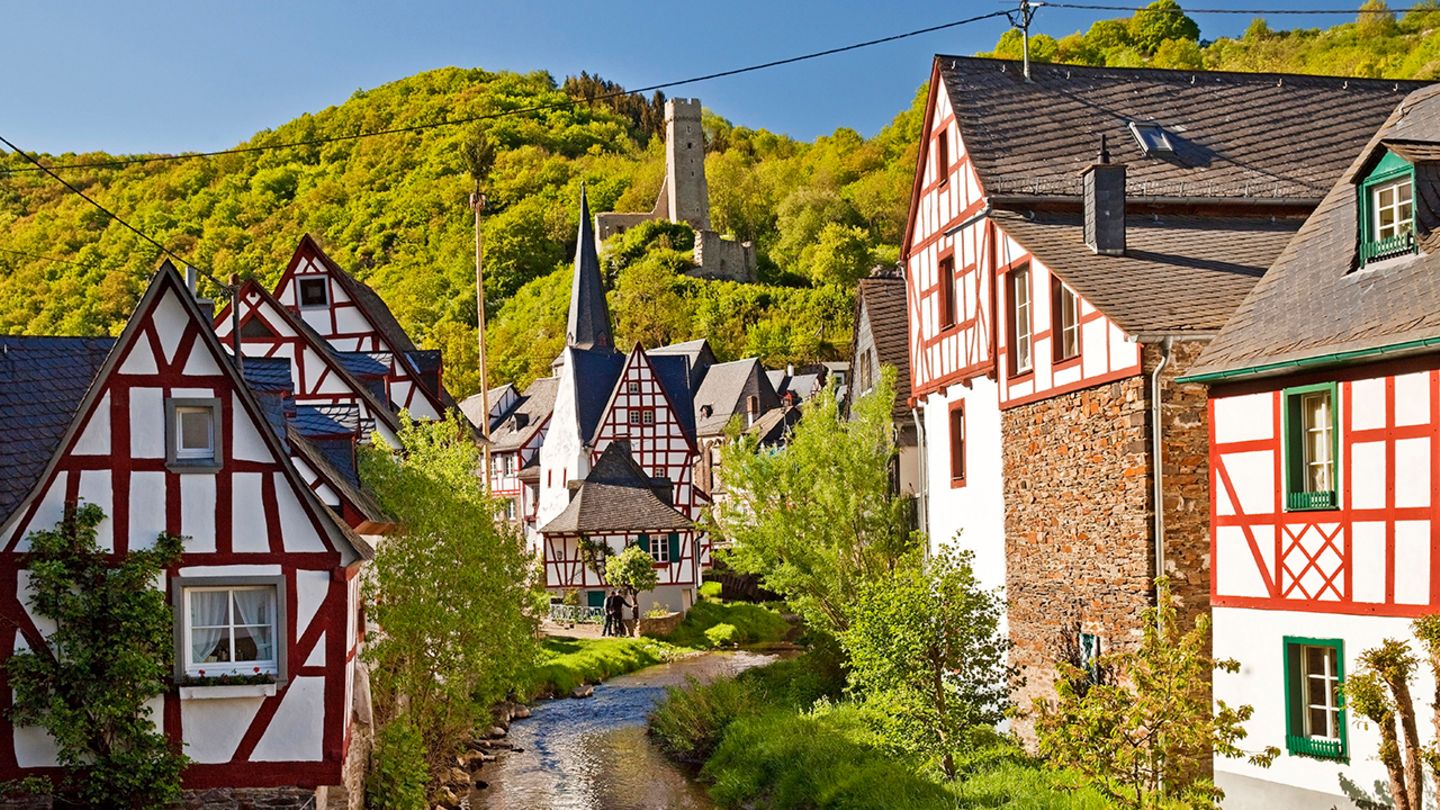
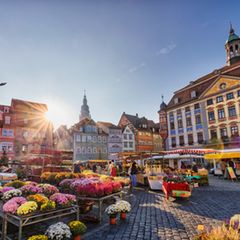
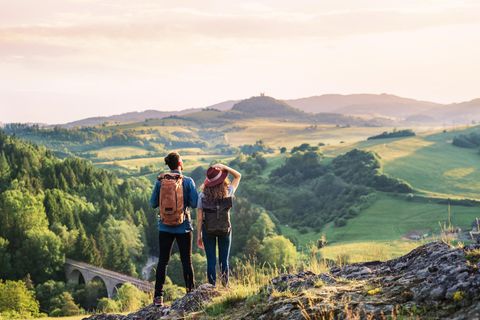
Einmal ins Mittelalter? Bitte hier entlang! Durch die Eifel führt eine der schönsten Rundwanderungen unserer Zeit, der Traumpfad Monrealer Ritterschlag
Sie sind die Besten der Besten der deutschen Wanderszene: Zehn Tagestouren hat das "Wandermagazin" für 2026 nominiert. Wir stellen die Wege in einer Galerie vor
Klares Wasser, türkisblaues Meer, weißer Sand, Kieselsteine, atemberaubende Klippen – für jeden gibt es eine geeignete Badebucht. Wir stellen die zehn schönsten Strände in Kroatien vor
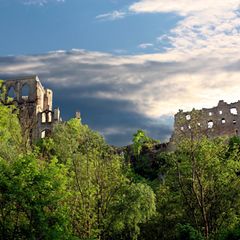
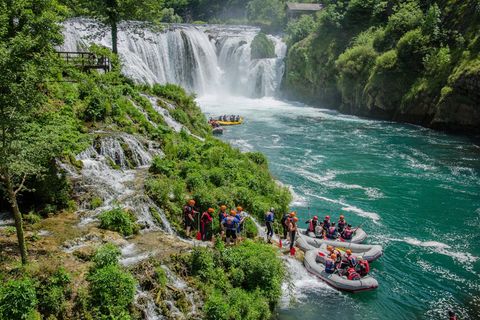
Tosende Wasserfälle, alte Burgen, dichte Wälder – der Una Nationalpark besticht mit Vielseitigkeit. Warum sich ein Besuch lohnt, verraten wir in unserer Serie "Wildes Europa"
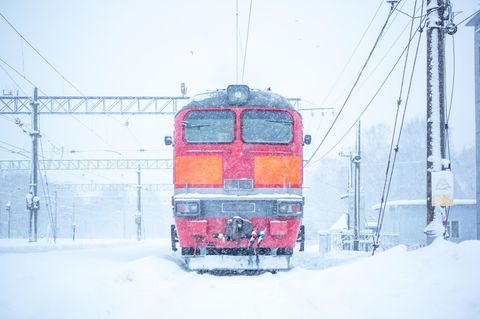
Der Frühling ist die ideale Reisezeit für Kurztrips. Wir stellen sieben Zugbverbindungen vor, die Sie schnell und günstig von deutschen Großstädten in unsere Nachbarländer bringen
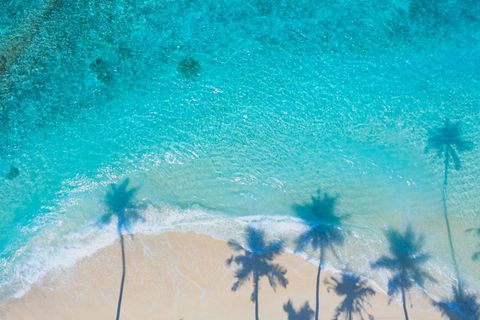
Das ganze Jahr über sommerliche Temperaturen, Palmenstrände, die Atlantikwellen gleich nebenan – Barbados ist Karibik pur. Wir stellen die östlichste Insel der Kleinen Antillen vor
Zwischen März und Mai verwandelt die Kirschblüte in Japan das Land in ein Farbenmeer. Wir verraten die schönsten Orte, um die japanische Kirschblüte zu sehen
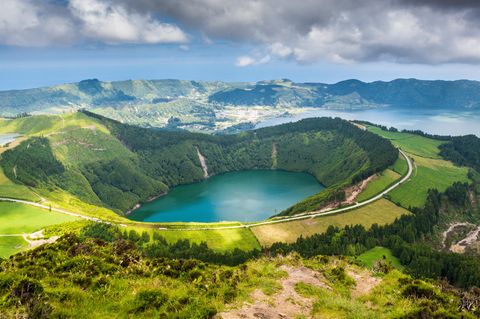
Vulkane, Hortensien, heiße Quellen: Die Azoren gelten auch als das Hawai Europas. Auf São Miguel erlebt unsere Autorin, was den Urlaub auf der grünen Inselgruppe so besonders macht